Jump to a section⌄
Your sales team has one set of figures, the stock records show something different and finance is working from another report. Everyone believes their information is correct, but the numbers don't match.
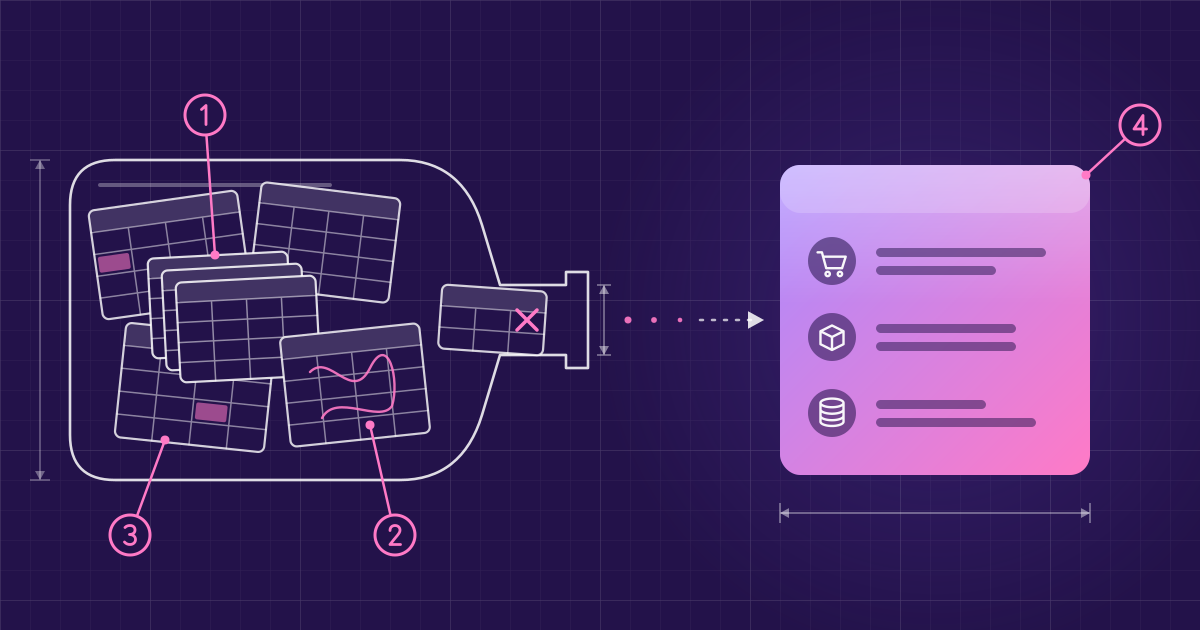
It's a familiar problem when businesses rely on separate software, spreadsheets and systems that don't share information. Over time, these disconnected records create data silos in business, leaving departments working from different versions of what's happening.
The difficulty isn't always obvious until someone needs information from another department. Then the checking starts, figures need comparing and a task that should be straightforward takes longer than expected. It can also make it difficult to understand how the business is performing.
How do business systems become disconnected?
Most businesses don't deliberately choose to work with disconnected systems. It tends to happen gradually, usually because someone needs a better way to manage a particular task.
Perhaps the sales team starts using a spreadsheet to track enquiries. The warehouse introduces a separate tool for stock, while finance has its own software for invoices and payments. Each solution makes sense at the time, and everyone gets on with their work.
We've explored the problems this can create in our article on running a business on spreadsheets.
The trouble is that these systems don't necessarily communicate with each other. Information gets entered in one place but doesn't automatically appear anywhere else. Before long, people are maintaining several versions of the same records.
It's becoming easier to add another tool, too. With vibe coding, someone without software development experience can use an AI tool to build an app for a particular job. It might solve the immediate problem, but if it holds information separately from the rest of the business, there's another set of records to manage.
That doesn't mean AI is the problem. Experienced developers can use AI to build software that works alongside existing systems. The difference is understanding how everything needs to connect.
What began as a collection of sensible improvements can gradually become a business where nobody has quite the same picture.
How data silos affect everyday business operations
Disconnected business systems cause problems when information needs to move between departments.
Imagine a customer places an order and the sales team checks availability against its latest stock figures. The warehouse has already allocated some of those items to other orders, but the sales records haven't caught up.
Sales believes the stock is available. The warehouse knows it isn't. Someone now has to explain the difference and work out what can actually be dispatched.
When departments work from separate systems, the problems can affect several areas of the business:
- Sales: Staff may promise customers stock that's already been allocated to other orders.
- Marketing: Teams may work from outdated customer information that doesn't reflect recent sales activity.
- Finance: Employees may need to compare invoices, orders and payments across different systems.
These issues might seem minor individually, but they add up when staff spend time checking information that should already be available. Eventually, comparing records and chasing updates becomes part of the working day.
And when those same records are used for reporting, the consequences go beyond everyday operations.
Why accurate data matters for business intelligence
Business intelligence means using your business data to make informed decisions. It helps businesses understand performance, identify patterns and decide where to focus their attention.
That might involve looking at sales figures, checking stock availability, reviewing orders or comparing performance across different parts of the business. But the information needs to be accurate and current.
When departments work from disconnected systems, business intelligence becomes less reliable.
For example, a sales report might show strong demand for a particular product, while the stock figures suggest there's plenty available. If those records haven't been updated at the same time, the business could make purchasing decisions based on information that no longer reflects the actual position.
Different departments may also produce reports using figures collected at different times. Each report might look reasonable on its own, but comparing them becomes difficult when the underlying information doesn't match.
Instead of analysing performance and deciding what to do next, employees first need to establish which figures they can trust. Having plenty of data doesn't help much when nobody is sure which version is correct.
Reliable business intelligence depends on consistent information. Without it, even a carefully prepared report can give a misleading picture of what's happening across the business.
How a single source of truth supports better decisions
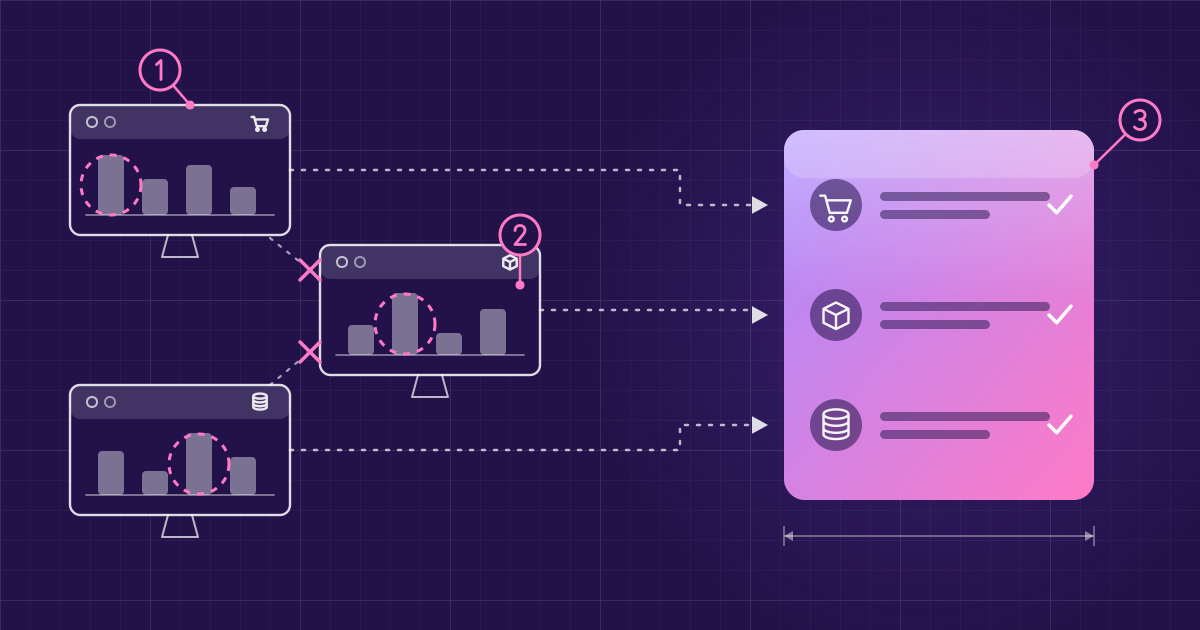
A business operating system brings information together so departments can work from the same records instead of maintaining their own separate versions.
MPX, business operating software, made by Stark Wayne, connects sales, stock, orders, customers, invoicing and reporting within one system.
Orders come in automatically from the platforms you sell on, such as Amazon, Shopify and WooCommerce. Stock is tracked accurately and in real time, while reporting provides current information about what's happening across the business.
With accurate information in one place, businesses have a clearer picture of their operations and can make decisions with greater confidence. Sales activity, stock levels and reporting are connected, giving teams a more reliable basis for business intelligence.
Employees can also find the information they need without waiting for someone to send over an updated spreadsheet or check another system.
We work alongside businesses to onboard, set up and support MPX around the way they operate. Our team understands that software needs to fit the business, not the other way around.
How MPX connects your business systems
Moving towards a single source of truth doesn't necessarily mean abandoning every tool your business already uses.
Some software performs a particular job well, and there may be good reasons to keep it. The important thing is making sure information can move between those tools and the rest of the business.
MPX connects with a range of services, bringing information from different platforms into one system.
Businesses selling through several online channels can bring their sales activity together in MPX. Supported platforms include Amazon, eBay, Backmarket, OnBuy, Etsy, Temu, TikTok Shop, Shopify and WooCommerce.
Instead of managing each sales platform separately, you can consolidate them all within MPX.
There are plenty of other integrations available, too. Just a few examples include:
- DPD
- Royal Mail
- Stripe
- FireText
- Google Maps
- PrintNode
These connections allow businesses to continue using tools that serve a particular purpose while keeping the information they need together.
You can find out more about the available connections in our complete guide to MPX integrations.
Of course, not every business uses the same software. Some have developed their own systems or rely on tools built around a particular way of working.
Where an existing integration isn't available, Stark Wayne's developers can build bespoke connections to keep systems in sync. This means businesses can retain software that works for them while bringing important information into MPX.
We also use AI-assisted development as part of our work. AI has accelerated what we can build and how quickly we can do it, while our developers bring the experience needed to understand how different systems should work together.
The aim isn't to add more software for people to manage. It's to make better use of the systems and information the business already has.
Ready to Get Started?
If your teams are working from different figures or spending time transferring information between systems, MPX could help bring everything together. Book a demo to see how MPX could work for your business or see pricing to explore the costs.
Our team can help you explore how connected business operating software could support the way you work.